


Panelists: Jeff Jones, FBMM Entertainment Business Management & Brand Painter, Oak View Group
A sold-out show doesn't necessarily mean a profitable tour. From the cost of opening venue doors to the expenses of keeping an artist and crew on the road, the financial realities of live entertainment are far more complicated than ticket sales alone might suggest.
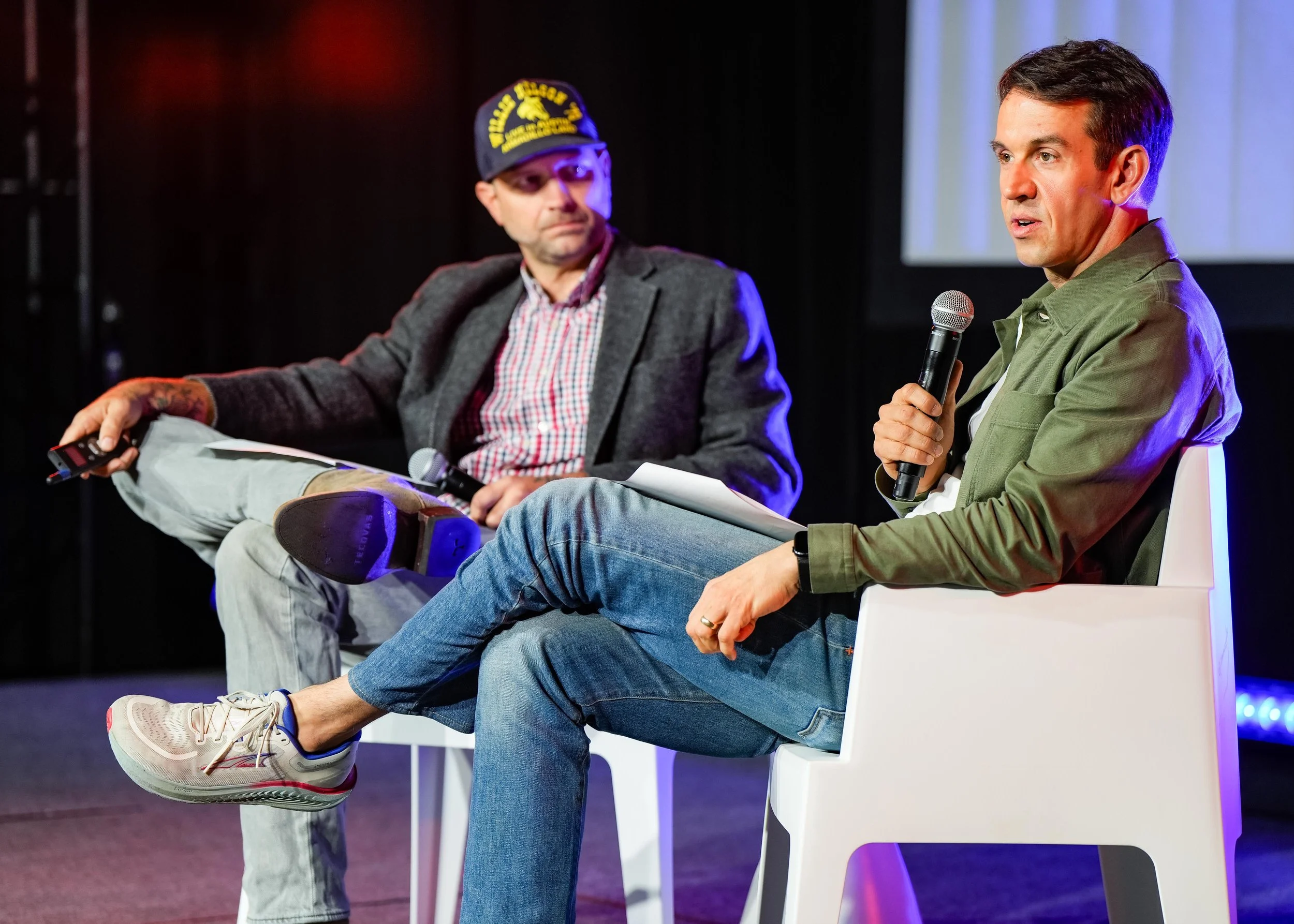
During IEBA 2026, Jeff Jones of FBMM Entertainment Business Management and Brad Painter of Oak View Group pulled back the curtain on the economics of touring, examining how expenses escalate from clubs to stadiums, why increasing revenue doesn't always translate into greater profitability, and what artists, promoters, and venues can do to protect their bottom lines.
The Cost of Opening the Doors
Painter began by breaking down venue expenses across five categories: clubs, theaters, small arenas, large arenas, and stadiums.
At the club level, where capacities range from 1,500 to 2,000, average show expenses can run approximately $12,000. Advertising represents a surprisingly large portion of that budget, potentially accounting for 40% of expenses.
As venues grow, production and staffing become increasingly significant. In theaters, sound, lighting, and video can approach 40% of expenses, while staffing accounts for roughly another quarter. Small arena expenses can reach $200,000 per show, with rent, staffing, and production each representing approximately 23% of the budget.
At the stadium level, expenses can climb into the millions. Beyond traditional production and labor costs, converting sports facilities into concert venues introduces substantial expenses for field protection, flooring, and turf restoration.
The takeaway: bigger venues offer greater revenue potential, but the cost of staging a show increases dramatically with capacity and production expectations.
Rock’s Moment and Blurring Genres
From the Van to the Fleet: Where the Artist's Money Goes
Jones followed the money from the venue settlement to the artist's bottom line, presenting four hypothetical touring scenarios that illustrated how increasing revenue doesn't always translate into increasing profitability.
At the emerging artist level, a band traveling in a van with six people, performing 125 shows and spending 250 days on the road, could generate approximately $500,000 in revenue and still lose $13,000. Band and crew expenses alone accounted for 41% of revenue in the example.
At this stage, managers and business managers may waive or defer commissions, while record labels sometimes provide tour support. However, that support is typically recoupable against future royalties.
Moving to a bus and generating $4.46 million in gross revenue, the example produced approximately $1.2 million in net earnings, a 26.9% margin. Yet commissions and fees consumed 29% of revenue, partly reflecting the impact of record label 360 deals that allow labels to participate in touring and merchandise income.
The next stage demonstrated the financial challenges of scaling a touring operation. With three buses, two trucks, and a star coach, gross revenue more than doubled to $9.51 million, but the net margin declined to 21.6%.
Jones explained that this is often a necessary investment phase as artists expand production to position themselves for larger venues.
At the highest level, a six-bus, five-truck touring operation generating $30 million in revenue produced approximately $10 million in net earnings, with an artist take-home of $6.43 million.
The 30% Benchmark
According to Jones, FBMM considers a 30% net-to-gross margin the benchmark for a financially successful tour.
"Anything above that is just extra icing on the cake," Jones explained.
Of the four scenarios presented, only the largest touring operation exceeded that benchmark, achieving a 35% margin.
Jones emphasized the importance of continuously updating tour budgets and monitoring expenses. FBMM generally advises artists to keep crew and production costs individually below 20% of revenue, although those targets can be difficult to maintain as touring operations expand.
Budgets are developed as soon as tours are booked and adjusted throughout the planning process to ensure artists understand their projected earnings after expenses and taxes.
Rising Costs and the Post-Pandemic Squeeze
Both presenters highlighted the growing financial pressures facing touring artists and venues.
Transportation has become a particularly significant challenge. Bus companies increasingly seek year-long leases, even when tours run only a few months. Rising diesel prices, fuel surcharges, and a shortage of qualified drivers have further increased transportation expenses.
Insurance costs have also climbed. Jones noted that cancellation insurance, previously priced around 2% of the insured amount before the pandemic, has increased to approximately 3% to 3.5%.
Painter identified staffing as the venue expense that has increased most significantly in recent years, reflecting higher labor rates and the cost of retaining qualified personnel.
These rising expenses are making the 30% profitability benchmark increasingly difficult to achieve, particularly for mid-level artists who lack the revenue potential of major arena and stadium headliners.
Changing Consumer Behavior and the Merchandise Opportunity
The discussion turned to how economic uncertainty is influencing ticket sales and consumer spending.
Painter observed that the surge in concert demand following the pandemic has moderated as inflation and rising household expenses force consumers to become more selective. Fans who previously attended two or three concerts annually may now choose only one or two, often prioritizing major arena and stadium performances.
Ticket purchases are also increasingly concentrated in the final weeks before a show, creating uncertainty for promoters and requiring sustained advertising expenditures.
While mid-level artists face mounting pressure, merchandise has emerged as an increasingly important revenue source. Jones noted that per-capita merchandise spending, once considered strong at $6 or $7, can now reach $15 to $20 for some artists, with exceptional performances generating significantly more.
In some cases, artists are earning more from merchandise than their performance fees.
Painter attributed part of that growth to fans placing greater value on tangible souvenirs of live experiences in an increasingly digital world.
Finding New Revenue and Filling Empty Seats
During the audience Q&A, Jones highlighted sponsorships, VIP experiences, dynamic ticket pricing, premium ticket offerings, and fan clubs as opportunities to improve touring margins.
A $250,000 sponsorship, for example, can have a meaningful impact on a tour's bottom line, although such opportunities are not available to every artist.
Painter also addressed strategies for improving ticket sales when shows are underperforming. Beyond traditional advertising, promoters can leverage local partnerships, targeted promotions, and ticket discounts to reach additional audiences.
When necessary, venues may close upper seating sections, relocate fans, or distribute complimentary tickets to improve the audience experience.
Even when tickets are discounted or complimentary, attendees can generate incremental revenue through concessions and merchandise purchases.
Smarter Spending and Stronger Partnerships
The audience discussion also examined how artists and promoters can better manage expenses.
Jones emphasized the importance of scrutinizing show settlements and advertising expenditures, particularly when promotional spending continues after a show has sold out. He also identified year-round crew salaries as an area where artists can potentially reduce costs by retaining essential personnel while employing others on a seasonal basis.
Painter noted that there is no universal formula for determining advertising budgets. Instead, promoters must evaluate the artist's audience, the market, and the most effective channels for reaching potential ticket buyers.
Asked what artists and their teams could do to make his job easier, Painter emphasized transparency, realistic expectations, and appropriate ticket pricing.
He encouraged artist representatives to rely on the market knowledge of local promoters and venue operators when evaluating guarantees, ticket prices, and projected demand.
By sharing information and aligning expectations early, both sides can make better decisions and improve the likelihood of a successful show.
Key Takeaways
Gross revenue is not the bottom line. Touring profitability depends on what remains after production, transportation, personnel, commissions, and taxes.
Scaling up can temporarily reduce margins. Investments in larger productions and expanded touring operations often outpace revenue growth during an artist's development.
A 30% net-to-gross margin is a valuable benchmark. FBMM uses this target to evaluate tour profitability, although rising expenses are making it increasingly difficult to achieve.
Mid-level artists face increasing financial pressure. Higher touring costs and more selective consumer spending are squeezing artists between the emerging and superstar levels.
Merchandise and alternative revenue streams matter. Sponsorships, VIP experiences, premium ticketing, and merchandise can significantly improve an artist's bottom line.
Marketing requires flexibility. Slower on-sales, last-minute ticket purchases, and changing consumer behavior demand more strategic