

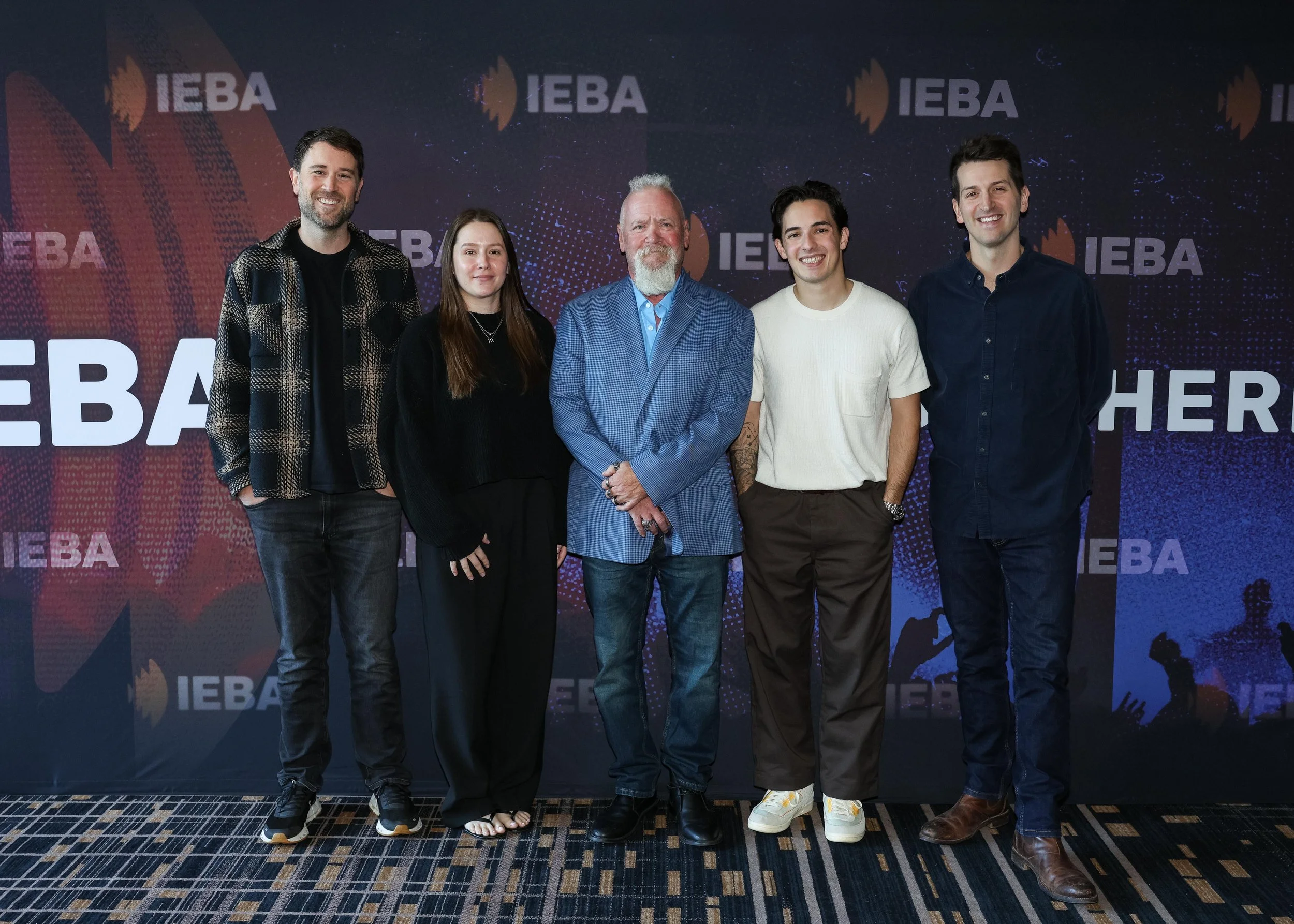
Panelists: Michael Coughlin, WME · Megan Glendinning, CAA · Taylor Krebs, UTA · Yitzi Peetluk, THE • TEAM
Sponsored by: SeatGeek
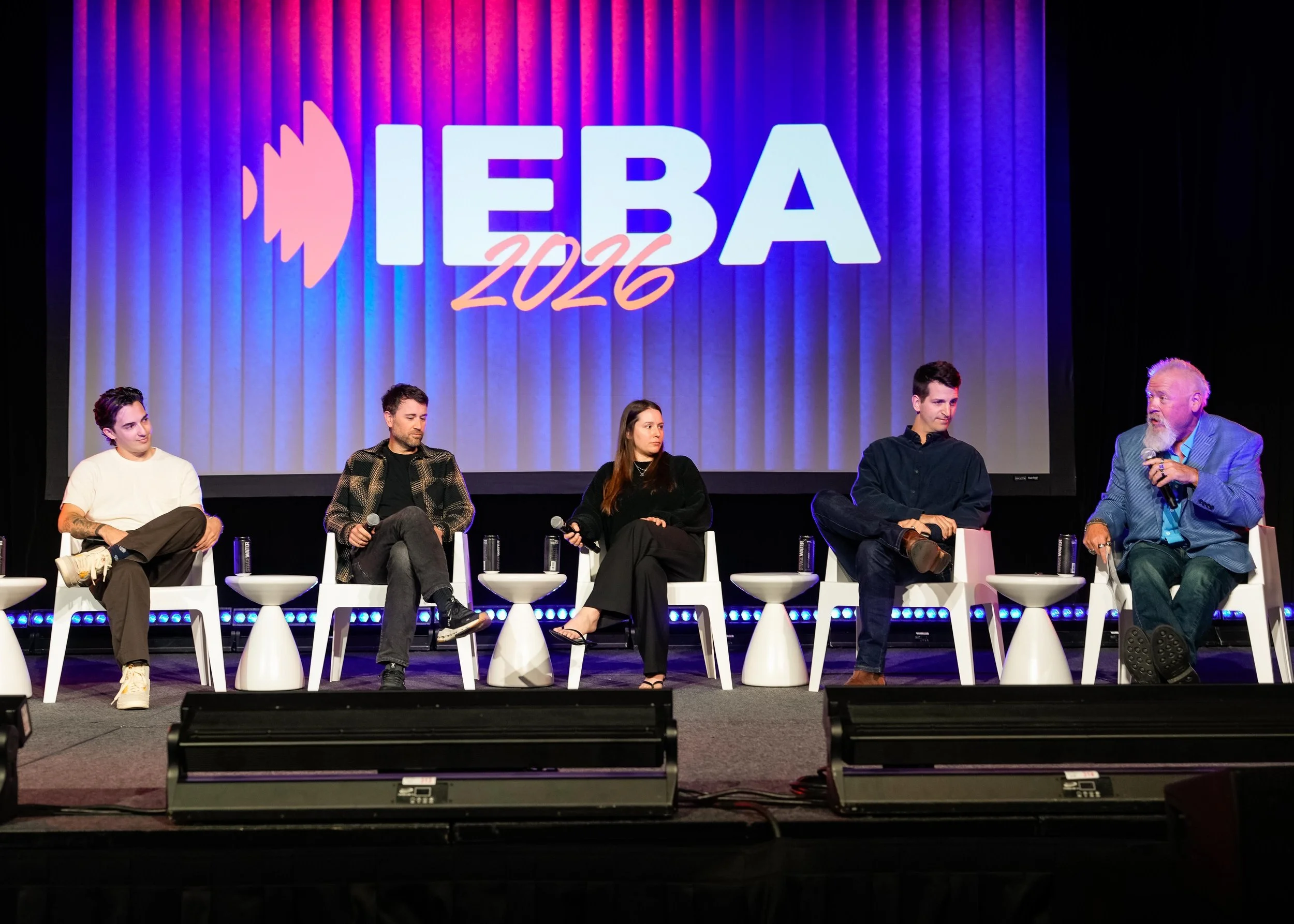
Pollstar’s Ray Waddell brought four agents from four agencies to the main stage for a wide-ranging talk about how careers are built on the road right now. The through line was patience. Viral moments and streaming numbers can open doors, the panel said, but a lasting touring business still comes from playing the right rooms in the right order and from relationships with buyers who believe in an artist early. “Music is a heart business more than it is a head business,” Waddell said, “and you can’t feed that into an algorithm and figure it out.”
Getting Buyers to Buy In Early
Yitzi Peetluk of THE • TEAM called touring “such a heavy relationship business,” and said one of the best parts of it is getting a promoter or buyer to believe in an artist early. When Peetluk signs a new act, the goal is to “start educating before I’m trying to book a show, before I need an offer,” at every level of the business, “lower, middle and upper class.”
That early buy-in pays off when a career suddenly takes off. Waddell asked about the classic problem of an act booked for $5,000 that is worth $25,000 by show day. Megan Glendinning of CAA said that’s where relationships matter: “a very honest, very vulnerable, very real conversation” about where the artist was when the show was booked, where they are now and why extra money would help, such as a bigger production. Partners who bought in early “get to reap the rewards.” Michael Coughlin of WME said agents are “very happy to call audibles when that happens.”
Don’t Skip Steps
Taylor Krebs of UTA said there are more ways than ever for artists to be discovered in 2026, but also “an enormous amount of pressure on young artists” to scale a moment quickly, “like capturing lightning in a bottle.” The goal is to get someone who follows you on social media “off their rear end at home” to buy a ticket, and then to engage them enough that they come back next time. “It’s immensely important for all of us to not skip steps in the live space,” Krebs said.
The post-COVID wave of viral breakouts was “a big learning lesson for all of us,” Krebs said. “Just because someone watches a TikTok and streams a song doesn’t mean that they’re going to go immediately buy a $79 ticket in a cut-down arena.” Some acts that jumped ahead got one or two tours out of it, then declined when no new viral moment came along.
Coughlin added that not skipping steps doesn’t mean moving slowly. When Sam Smith broke a decade ago, it was “two Troubadours, two Fondas, two Greeks and two Forums” in roughly 12 to 14 months. “Literally didn’t skip a step. It just happened very, very fast.” Glendinning said artists who have honed their craft for years, like Zara Larsson, are the ones able to “meet the moment” when it arrives, because the foundation is “so strong and unshakeable.”
Depth Over Width
Asked how streams translate into ticket sales, Peetluk said simply, “It’s so genre dependent.” Glendinning said data alone misses how fans actually buy. Young fans ask a parent to buy tickets and go with them, so “they’re not buying two tickets, they’re buying four,” and pricing, location and even door and show times “really impact a young audience.”
Peetluk pointed to Sierra Ferrell, whose entire hard-ticket business has been built since the pandemic. From 250-capacity rooms on up, she has sold out about 90% of the shows she has ever played, though only about 10% sold out on the on-sale. Her monthly listener numbers, Peetluk said, don’t suggest an artist selling out Red Rocks. Word of mouth about the live show does. For a young act with three million monthly listeners and no shows under their belt, the job is to help them develop a live show so they can “build depth with fans instead of width. Width is easier to come by.”
Rock’s Moment and Blurring Genres
Waddell observed that rock seems to be having a moment. Glendinning said these bands have been touring for years. What matters is consistency, and fans who have grown up and now have the disposable income for tickets and VIP. Coughlin pointed to a college and post-college rock scene, including bands like Congress the Band and Penelope Road, built on “old-school artist development of playing 100, 150 shows a year, with digital strategy,” adding that “the kids are eating it up.” Glendinning noted a shift since the pandemic. Viral moments used to turn into shows; now “we’re seeing so many viral moments come out of shows,” and that content compounds.
Krebs said the walls between genres are coming down. A playlist for a kid under 15 might run “from Elton John to Ella Langley to Megan Moroney to Daughtry,” which is exciting for the festival space. Waddell agreed, though he said it’s hard to cash in on, since “you’re not going to see a festival that books” Black Sabbath next to Megan Moroney.
Festivals, Support Slots, and Headlining
For a developing act lower on a festival bill, Krebs, who works the fair and festival space as a territorial agent, said a festival offers eyeballs that would never buy a ticket and a chance to align with other acts “from a brand perspective, an image perspective or a sonic perspective.” Glendinning said “it’s about the slot”: what time you play, who’s before and after you and who’s on another stage. The right slot can produce a viral moment in front of thousands of new fans.
The same thinking applies to support tours. “Going out and supporting just for the sake of supporting doesn’t add value. Your artist is just going to lose money,” Glendinning said. The win comes from real crossover, backed by affinity data. Zara Larsson opening for Tate McRae created a viral moment that built her own live business, but “it wouldn’t have been the same if she had opened for Black Sabbath.”
Peetluk said a developing artist should sell their own tickets wherever possible, “even if that’s as small a capacity as possible,” because that proves demand for better festival slots and better support offers. Festivals also signal who an artist is: “Playing Shaky Knees is a really fun way to say, this is a cool rock band.” Coughlin would also rather sell the artist’s own tickets. A support slot only makes sense in front of a crowd “you think you can win over,” sell T-shirts to and convince to buy a ticket when you return in six to 12 months.
On radius clauses, Coughlin said it’s case by case, depending on the act, the room and the demand. Waddell said the clauses are often not set in stone, and Peetluk agreed: “It helps to call.”
Casinos Get a Real Look
Asked how the perception of casinos has changed, Glendinning had a two-word answer: “Money wins.” Casino dates are “a great way to help pad the budget, to be totally honest,” letting artists afford the production they want and reach markets they otherwise might not play. Waddell called casino buyers very active, with production values “as good as anywhere, or better.” “We love our casino buyers,” Krebs said.
Ticketing, Premium, and the Secondary Market
Peetluk said it’s the agent’s job “first and foremost to be paying attention” to pricing. Used correctly, premium and platinum tickets can help subsidize cheaper tickets, but agents are “constantly up against” an uncapped secondary market. An instant sellout now raises the worry that “we didn’t price it correctly,” even though fast sellouts build demand. “The real win is where you have a consistently selling show that’s capturing the demand that exists.”
Asked whether secondary prices show what the market will bear, Coughlin said many artists and their teams don’t want to look, because what a P1 or P2 could fetch at market value “is a scary number.” Krebs said the agent’s role is to lay out the risks and benefits, with the goal of “maximizing the opportunity while protecting the fan.”
Coughlin flagged a new problem for clubs and ballrooms. Scalpers aren’t buying $50 tickets to relist at $150 or $200. “They’re buying a $50 ticket and listing it for $55, but they’re buying 30, 40% of the room,” which is “really, really difficult to navigate and to solve.”
Fans Are Buying Later
Waddell asked whether more tickets are moving at walk-up and in the final week. “100%,” Glendinning said, calling it “a reflection of the economy and the state of the world.” Fans don’t want to be out the cash for long. The upside is better drop counts, since a fan who buys the week of the show will be in the building. Peetluk said fans deserve credit too: between secondary sellers offloading inventory and late promotions, “the fan has learned that if I wait, I can get a cheaper ticket.” Waddell cautioned that it’s stressful and not something to count on when planning far in advance.
Going Global
Waddell had heard that artists might shift about 10% of their dates overseas, playing 30 North American shows and 10 abroad instead of 40 at home. Glendinning said artists are definitely looking at international opportunities. Some acts Glendinning has worked with had booming businesses in Europe and the UK before the U.S. caught up, and once they became global arena acts, there was value in continuing to serve those markets, even though “the money you can make here is just unbelievable” by comparison, mainly because of ticketing laws. The principle still applies: build step by step, “not skipping steps,” across the global landscape.
Stories They Admire
Waddell asked each agent for a well-run campaign they weren’t part of. Krebs praised UTA colleague Jbeau Lewis’s work with Bad Bunny and Latin music globally. Developing an artist into stadiums in the U.S. and Europe is hard enough, “but to do it all over the globe is a whole different beast.” Coughlin pointed to the Backstreet Boys, who went from “relatively dormant for 15 years” to a Las Vegas run and now international dates. Glendinning admired a female artist’s rollout (the name was unclear in the recording), which could have grown faster with upgrades and added shows but was handled “strategic and intentional without alienating the fans that bought in early.” Peetluk credited colleagues in THE • TEAM’s New York and LA offices who work with Geese, a band that “hasn’t skipped steps,” from two nights at the Ryman the week before to frontman Cameron Winter’s run at Carnegie Hall.
Residencies
Glendinning said residencies still work when they “eventize” a run, with activations around the city that create “a special moment for the fans” worth traveling for. The Sphere is the obvious example. Waddell pointed to the reviews for Metallica at the Sphere but said he sees fewer local arena residencies than a few years ago. “It takes a special set of circumstances.”
Rising Costs and Reasons to Tour
Looking ahead, Waddell said the business could keep growing 7% to 10% a year, as it has for three decades outside of COVID. Krebs named the biggest obstacle: “the general cost of touring and the economy.” Diesel was $6.40 a gallon on the drive in that morning, and crude oil was over $100 a barrel. Agents have to keep tickets accessible while keeping touring financially feasible for artists, a gap Krebs expects “to continue to get wider and wider until the economy starts to level out.” Waddell estimated fuel and transportation are hitting tours for 10% or more “straight off the bottom line.”
Coughlin said the obvious result is rising ticket prices and smaller margins, and “many acts, unfortunately, will reach a breaking point.” Bands that tour year after year will feel it most. If the average fan goes from 15 shows a year to eight or 10, those are the acts that get cut. They will need a new show, new markets or stronger packaging to give fans a reason to come back. Asked whether agents ever recommend taking a year off, Coughlin said, “Yes, all the time.” Peetluk agreed: “It’s good to find a reason to tour that’s not just ‘we need to tour.’”
Agents as the New A&R
On labels, Peetluk said tour support is “not usually a part of the equation” anymore, and warned that it can give artists a level of comfort “that isn’t realistic to the size of their business.” Coughlin said the tour is often “the largest marketing portion” of an album campaign. Waddell argued that agents now play much of the role labels once did in finding and developing acts. Peetluk agreed, with a caveat: “We don’t create demand. We book shows.” The question to ask before taking on an artist is “Can I add value? Do I see a path?”
Waddell closed by asking whether watching an act go from 100 people to arenas is the most rewarding part of the job. “I think that’s the reason why we all do this job,” Krebs said, “because otherwise, God knows why else we would choose to do it.”
Key Takeaways
Build buyer relationships before you need an offer. Partners who buy in early share the upside when an artist breaks.
Don’t skip steps, but move through them quickly when demand is real.
Streams and social numbers don’t reliably predict ticket sales. Build depth with fans through the live show.
Festival slots and support tours are worth it only with the right time slot and real audience crossover.
Casinos are a valued part of routing, helping fund production and reach new markets.
Price carefully. Premium tickets can subsidize cheaper seats, but secondary resale, including scalpers buying large blocks at small markups, remains a problem.
Fans are buying later, which helps drop counts but makes planning harder.
Rising fuel and transportation costs are squeezing margins. Legacy touring acts need a reason to tour, and sometimes a year off.