

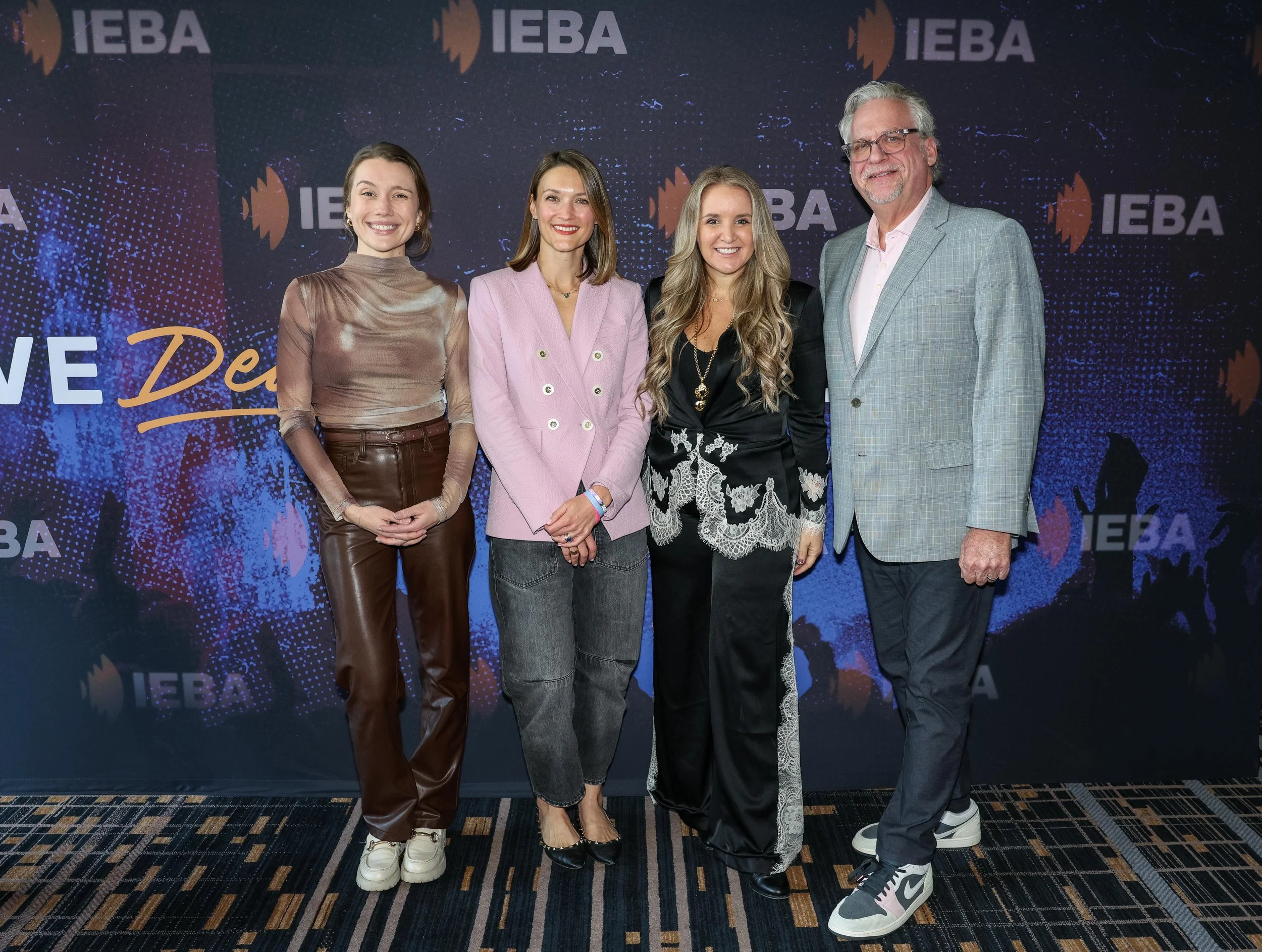
Moderated by: Annie Eifler, Gulf Coast Entertainment
Panelists: Robert Norman, CAA · Channing Moreland, Book with Eva · Kevin Underwood, Leo Events · Lauren Spahn, Buchalter
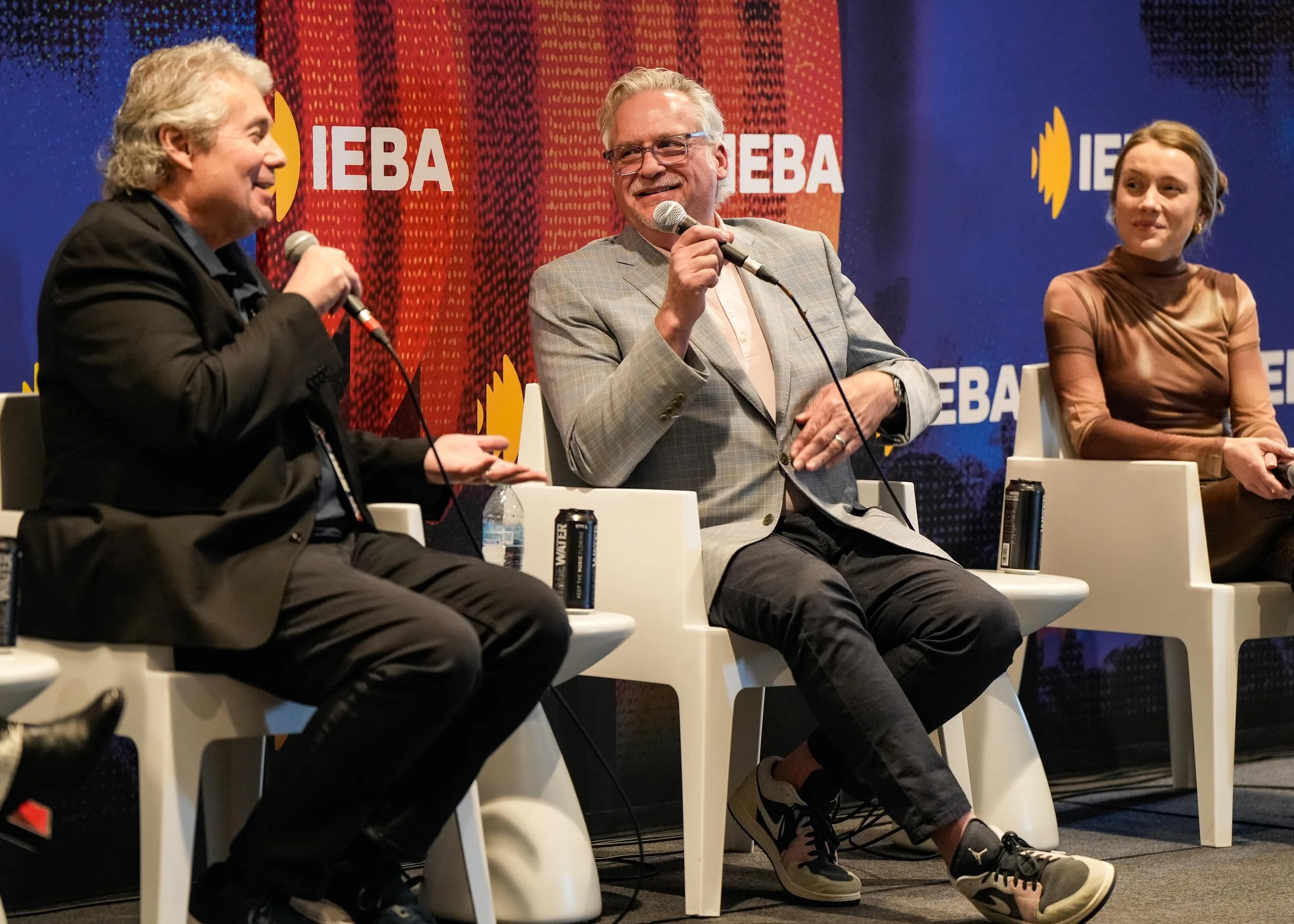
“Everyone in this room has either had, or had nightmares about, a show that went wrong,” Annie Eifler of Gulf Coast Entertainment said as she opened the session. Her panel brought two buyers, Channing Moreland, CEO of Book with Eva, and Kevin Underwood, senior vice president at Leo Events; CAA’s Robert Norman; and Lauren Spahn, partner and co-chair of Buchalter’s entertainment industry group, who was there “to tell us who’s on the hook when it all goes sideways,” with a friendly reminder that nothing she said should be taken as legal advice. The stories ranged from a stage fire to a grounded private jet, and the lesson came up again and again: when things go wrong, communication and relationships matter more than what the contract says.”
A Fire Before the Headliner
Moreland went first, with a story from 2019 that she said still brings up “some PTSD.” A reputable nonprofit wanted a festival-style event with name-act headliners, the biggest acts it had ever booked, and relied on an in-house production partner it had worked with for years. The offer, authorization form and pre-production calls all went smoothly. On site, it became clear that what the production partner had promised “was not actually what was in place.” She and the tour manager walked through it carefully, but it was “error after error,” and before showtime they were asking whether they felt comfortable putting the artist on that stage at all.
Then a small fire broke out on stage while a DJ was opening. No one was hurt, and the artist never left their trailer, but it settled the question. Moreland ended up in a trailer “on the phone with six different attorneys on all sides,” making the call to cancel, knowing the artist would be paid and her client would be out the money. Afterward they learned the production company had been embezzling from the nonprofit, which explained why everything had looked perfect on paper and fell apart on site. She said the buyer’s job is to be “that balancing of scales,” vetting both sides and weighing the situation in real time.
Who’s on the Hook
Spahn walked through how the paperwork applies. Most agency contracts make the buyer responsible for ensuring “a safe show can go on,” so if production problems trace back to a buyer who didn’t properly vet the production, “that’s going to fall on the buyer,” and a buyer who doesn’t keep everything in working condition could be found negligent. That’s where indemnification and insurance come in. Indemnification means “if I get sued, you’re going to step in and you are going to pay all the costs.” With one-sided indemnification, an artist sued over injuries from a stage fire could shift that liability to the buyer. Mutual indemnification protects the buyer in return: if an artist throws a drumstick into the crowd and hits someone, the buyer can point to the artist’s agreement to handle the claims “that came because of your action.”
The Day Everything Went Wrong
Norman’s story involved Kevin Underwood. An artist was flying a private charter to Underwood’s corporate event for Walmart in Fayetteville, Arkansas, where 15,000 people were expecting a show. At about 10:30 a.m., a warning light came on during taxi and the plane turned back. Getting a new aircraft and crew, Norman said, is “not like ordering a Waymo,” and as the morning wore on it became clear the band couldn’t land before showtime, with the airport half an hour from the venue.
Instead of “amplifying the whole scenario,” Underwood stayed calm and worked the phones with Norman’s CAA team. By luck, Norman’s agency had its own event in Nashville that night, with one of his colleagues on hand and Dan + Shay set to perform. If Underwood could get a Walmart jet to Nashville, Dan + Shay could make the show. Underwood’s team realized that the jet that had flown Kacey Musgraves home to Nashville that morning was still there, waiting to bring another artist back the next day. The duo flew in, the show was held an hour and 15 minutes, and a police escort took them to the arena, where they played acoustic. “They understood the assignment, they owned the night,” Underwood said. “Standing ovation. Probably one of the best shows I’ve ever done.”
Norman said that wasn’t even his whole day. The air conditioning failed at Allegiant Stadium in Las Vegas, in 100-degree heat, ahead of a Maroon 5 and Chainsmokers show for 20,000 people; it was fixed later in the day. At the same time, another artist pulled out of two July 4th 250th-anniversary events over politics. His takeaway: “Everybody stayed as calm as they could,” or at least sounded calm, and patience, phone calls and teamwork got everyone through.
From the buyer’s side, Underwood said the real problem was time. The tour management team “kind of worked in a vacuum,” so hours passed before management, the agent or the buyer knew. By the time he was read in, it was about 3:30 p.m. for a 7 p.m. show, with a 20-minute window to get a jet from the West Coast. “If even an hour more notice,” he said, it might have been solved. He credited the corporate agent community, which “went to the mat on our behalf.”
Contracts Won’t Save You at the Last Minute
Asked what contracts can do in a situation like this, Spahn noted that no one in the story said “we looked in the contract.” She recommends language committing both sides to good-faith efforts to find a suitable replacement act, but at the last minute, it comes down to communication, relationships and thinking outside the box, such as a different airport or a friend with a jet. Underwood agreed: “I never even looked at the contract.”
Norman raised the obvious question: why not require the artist to arrive the night before? This artist, a busy hit songwriter, might have turned down the offer with that condition, and “that can be the difference between a yes or no.” Underwood noted the band and crew had been required to load in the night before, and only the principal was flying that day. Spahn said a night-before requirement is worth considering for hard-to-reach events, such as those with limited commercial flights or an airport 150 miles away. Underwood described a compromise on a show in Los Angeles happening that afternoon: the artist couldn’t come in the night before, so he waived the requirement as long as they booked non-refundable seats on both of that morning’s direct flights from Nashville.
Taxes Across Three Countries
Moreland’s second story was from two weeks earlier: a U.S. client booking a U.K. artist in Rhodes, Greece. Her team took on the tax questions, including whether to use the artist’s U.K. loan-out or treat it as a U.S. company, and how a 20% Greek withholding tax compared with the income tax owed by foreign artists performing in Greece. They consulted four tax advisors. “Two of them gave one answer, two of them gave the other,” she said, before reaching a final answer with the artist’s business manager. All of it went into the offer up front.
That attention paid off. Because the artist’s fee was packaged with a private charter as one bulk price, the tax would have hit the travel too, so they broke the travel back out and resubmitted. They also determined the 20% withholding didn’t apply to a live performance, only the smaller income tax. Spahn said spelling out taxes in the offer matters because an artist who discovers after accepting that “40 percent or more” will be taxed “may then try to pull out of the show.”
Put It in the Offer
Underwood’s client is “very prescriptive” in its offers. At an 8 a.m. show for 20,000 people, a cold open where the screen went up to reveal the Killers, the client wanted the band to open with “Mr. Brightside,” and that term was in the accepted agreement. With the tour manager in the ER, the set list came through the night before with “Mr. Brightside” last. Underwood got on the phone with lead singer Brandon Flowers, explained that the room would feel “like an international soccer match” and that the song would set the tone for the whole meeting, and asked him to trust him. Flowers agreed, and afterward the band told him they never would have believed it, but he was right. His advice: whether it’s autographs, meet-and-greets or mutual indemnification, “put it in your offer on the front end,” and make sure it survives into the final contract.
A Disaster Turned Into a Moment
Norman closed with a show at Lincoln Center in New York featuring Fleetwood Mac. During the set, the power went out on almost the entire stage, and with an opera scheduled right after, there was no time to stop and come back. Only the monitors worked. Stevie Nicks called an audible and performed “Landslide” with just an acoustic guitar for more than 4,000 people. “You could hear a pin drop,” Norman said. “It still gives me chills.” A disaster in the making became one of the most special moments he had seen at an event.
From the Q&A
Asked how the money worked when the first act missed the Fayetteville show, Norman said CAA was holding the funds, so the first act was refunded and the money went to Dan + Shay. The first act understood, and its singer was glad someone could save the day. “There’s more camaraderie in this group than you might guess,” he said. Spahn added that an artist who isn’t ready, willing and able to perform hasn’t earned the fee. An act that chooses to fly the day of the show assumes that risk, and the event “shouldn’t have to compensate you.” Underwood said the replacement came in within the client’s budget, and once the call was made to stop, everyone agreed not to put the original act on the jet, avoiding a later argument over a late arrival. Spahn said the answer would change if the buyer had provided the plane, since the timing and pilots would then be in the buyer’s control.
Key Takeaways
Vet production partners, even trusted ones. Safety is usually the buyer’s responsibility under agency contracts.
Understand one-sided and mutual indemnification, and negotiate for mutual protection when an artist’s own actions could cause a claim.
When something goes wrong, communicate early. A few extra hours of notice can be the difference between solving the problem and running out of options.
Stay calm. Panic only adds stress, and the corporate agent and buyer community will rally to help.
Contracts matter less in the moment than relationships, but good-faith replacement language and travel requirements are still worth negotiating, especially for remote events.
Spell out taxes, travel and special requests, like an opening song, in the offer, and make sure they make it into the final contract.
Experienced artists can turn a disaster into an unforgettable moment.